
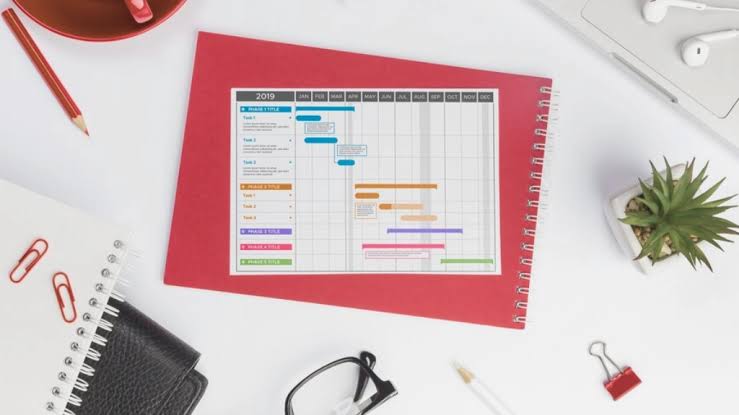
Projects rarely fail on day one. They slip quietly, one missed dependency or unrealistic estimate at a time. A clear schedule development process in project management prevents that slow drift by giving teams a repeatable way to turn scope into a dependable plan. The good news is that it does not have to be complicated. Follow these steps, and building a schedule becomes far easier.
Step 1: Define Scope and Deliverables
Start by confirming what the project must deliver. Review the scope statement, contract documents, and stakeholder expectations. If the scope is vague, the schedule will be vague too. Agree on deliverables, acceptance criteria, and key constraints such as fixed deadlines, budgets, or regulatory windows before moving on.
Step 2: Break the Work into Activities
Use a work breakdown structure (WBS) to divide deliverables into smaller work packages, then into specific activities. Each activity should have a clear owner and a defined outcome. Aim for tasks small enough to track easily, but not so small that updating them becomes a burden.
Step 3: Sequence the Activities
Next, decide the order of the work. Identify which tasks must finish before others begin, which can overlap, and which can run in parallel. Link these dependencies in your scheduling software. Pay attention to external dependencies too, such as permit approvals, vendor deliveries, or client decisions, because they often cause the biggest delays.
Step 4: Estimate Durations and Resources
Ask the people doing the work how long tasks will take. Compare their answers with historical data from similar projects. For uncertain activities, use three-point estimates that include optimistic, likely, and pessimistic durations. Then assign people, equipment, and materials, checking that no resource is overbooked.
Step 5: Build the Schedule and Find the Critical Path
Now bring everything together in a tool such as Microsoft Project, Primavera P6, or Smartsheet. The software calculates start and finish dates and reveals the critical path, the chain of tasks that determines the end date. Understanding float and critical activities is what makes the schedule development process in project management genuinely useful, since it shows where you can flex and where you cannot.
Step 6: Review, Baseline, and Approve
Walk stakeholders and team leads through the draft. Look for unrealistic logic, missing tasks, and resource conflicts. Once everyone agrees, save the approved version as your baseline. This baseline becomes the yardstick for measuring progress and evaluating change requests.
Step 7: Monitor, Update, and Communicate
A schedule only works if it stays current. Update progress weekly, compare actual results with the baseline, and investigate variances quickly. Share concise reports so stakeholders always know where the project stands. When delays occur, run scenarios and adjust the plan, then document the reasons for every change.
Connecting Schedules to Portfolio Oversight
Individual project schedules also feed higher-level decision-making. Organizations managing many projects at once need consistent standards for how schedules are built, reported, and reviewed. A strong portfolio governance framework sets those standards, defines approval gates, and helps leaders prioritize resources across projects. When every schedule follows the same structure, executives can compare performance fairly and spot troubled projects sooner. A well-run portfolio governance framework also reduces duplicated effort and keeps strategy and delivery aligned.
Quick Tips for Better Schedules
- Keep the schedule as simple as the project allows
- Involve the team early and often
- Protect the critical path with buffers
- Review logic before every major update
Final Thoughts
Building a reliable plan is a skill anyone can learn. By following a structured schedule development process in project management, from defining scope to monitoring progress, you create plans that teams trust and stakeholders understand. Pair that discipline with a practical portfolio governance framework, and your organization gains consistency, transparency, and better control across every project. Start with the steps above on your next job, refine them as you learn, and watch your delivery performance improve.